+ARR 4% (Artist’s Resale Right)
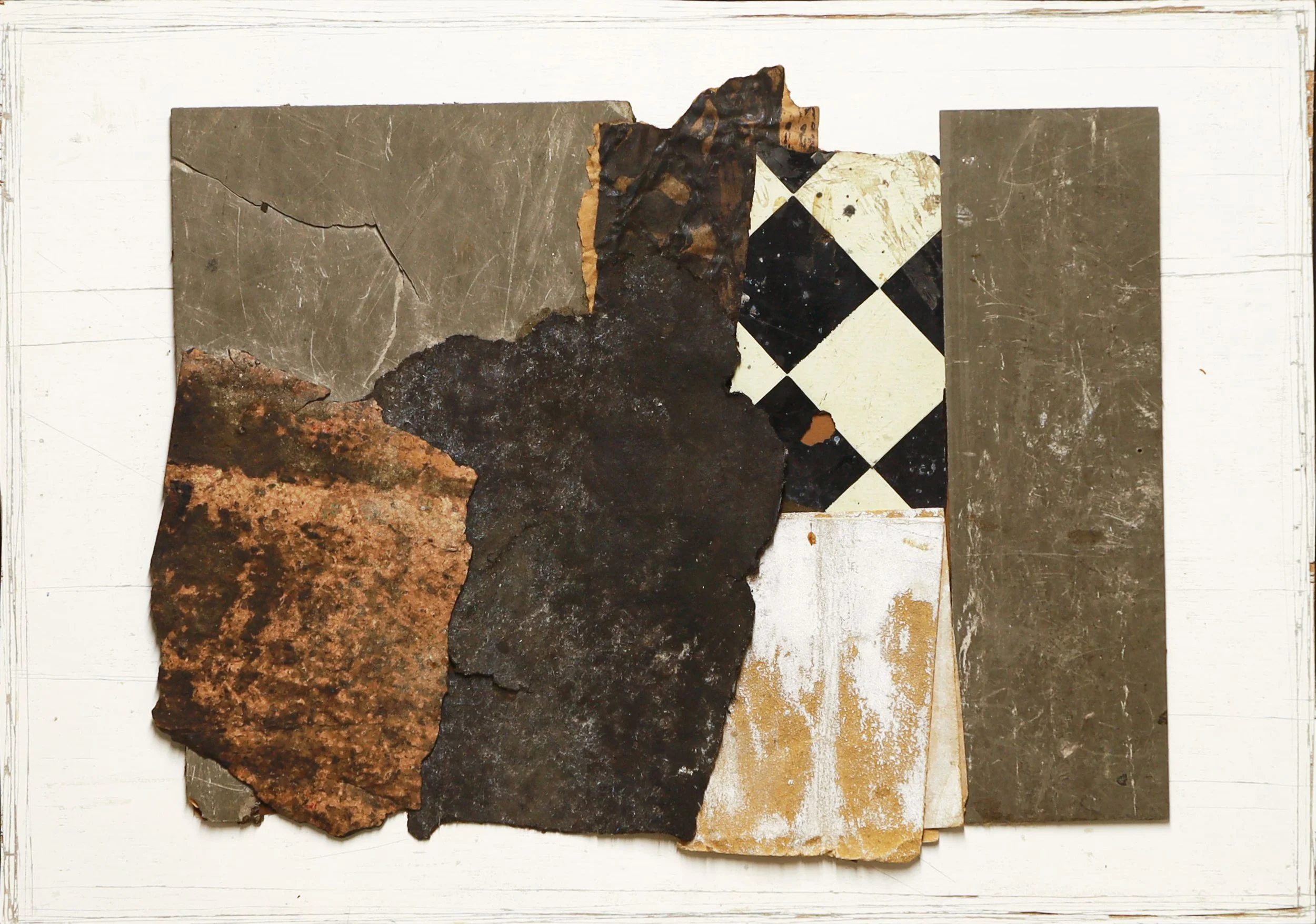
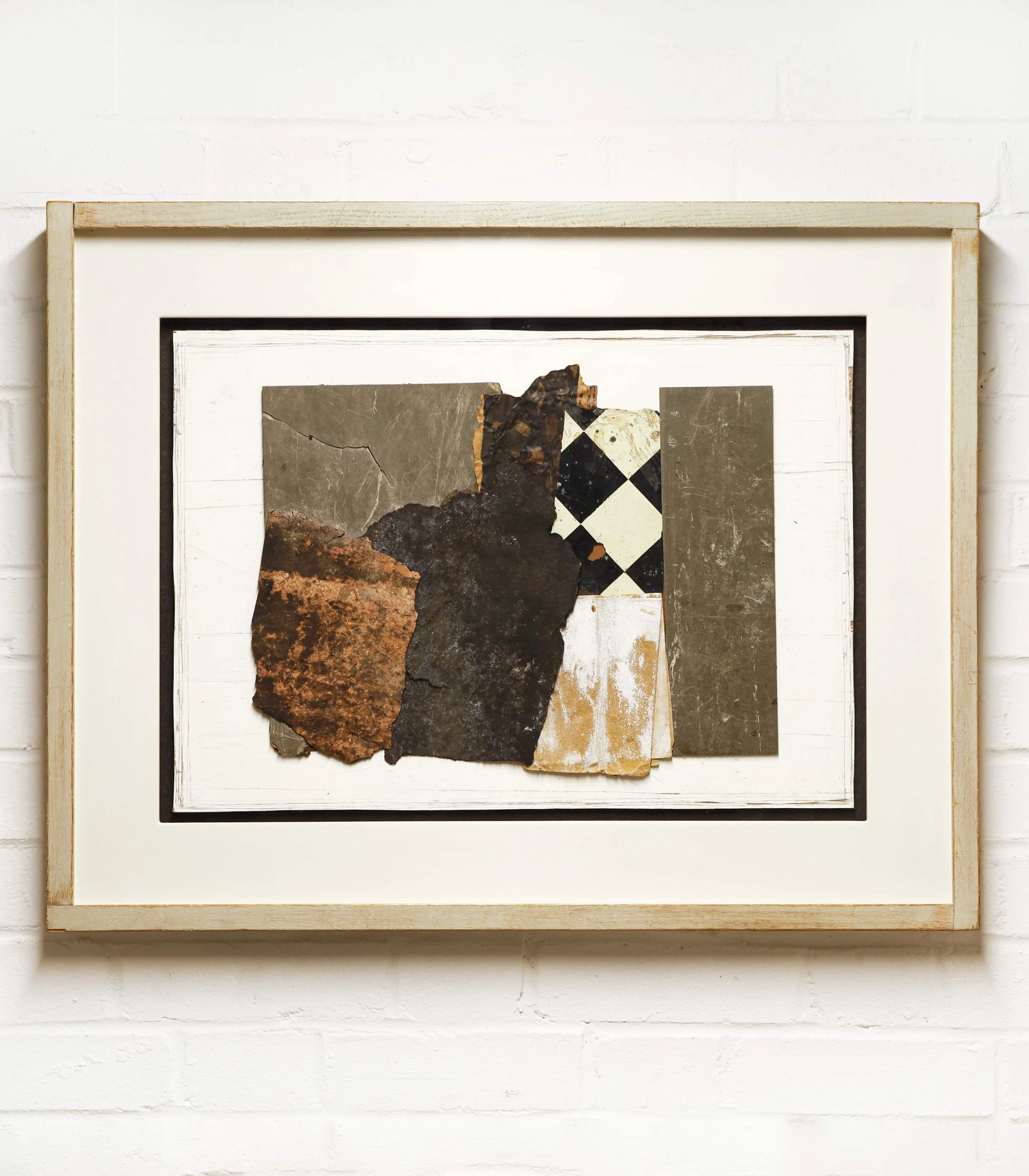
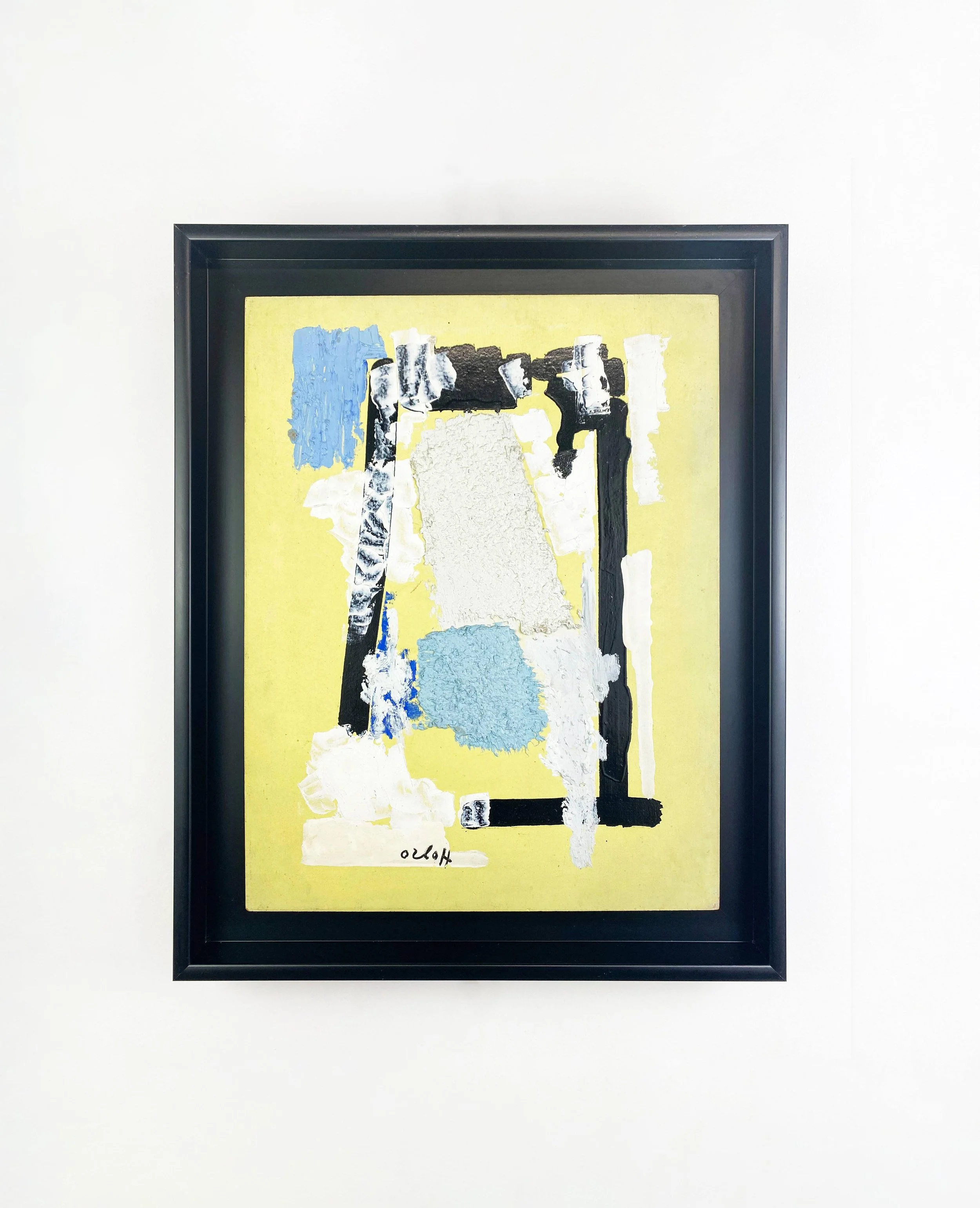
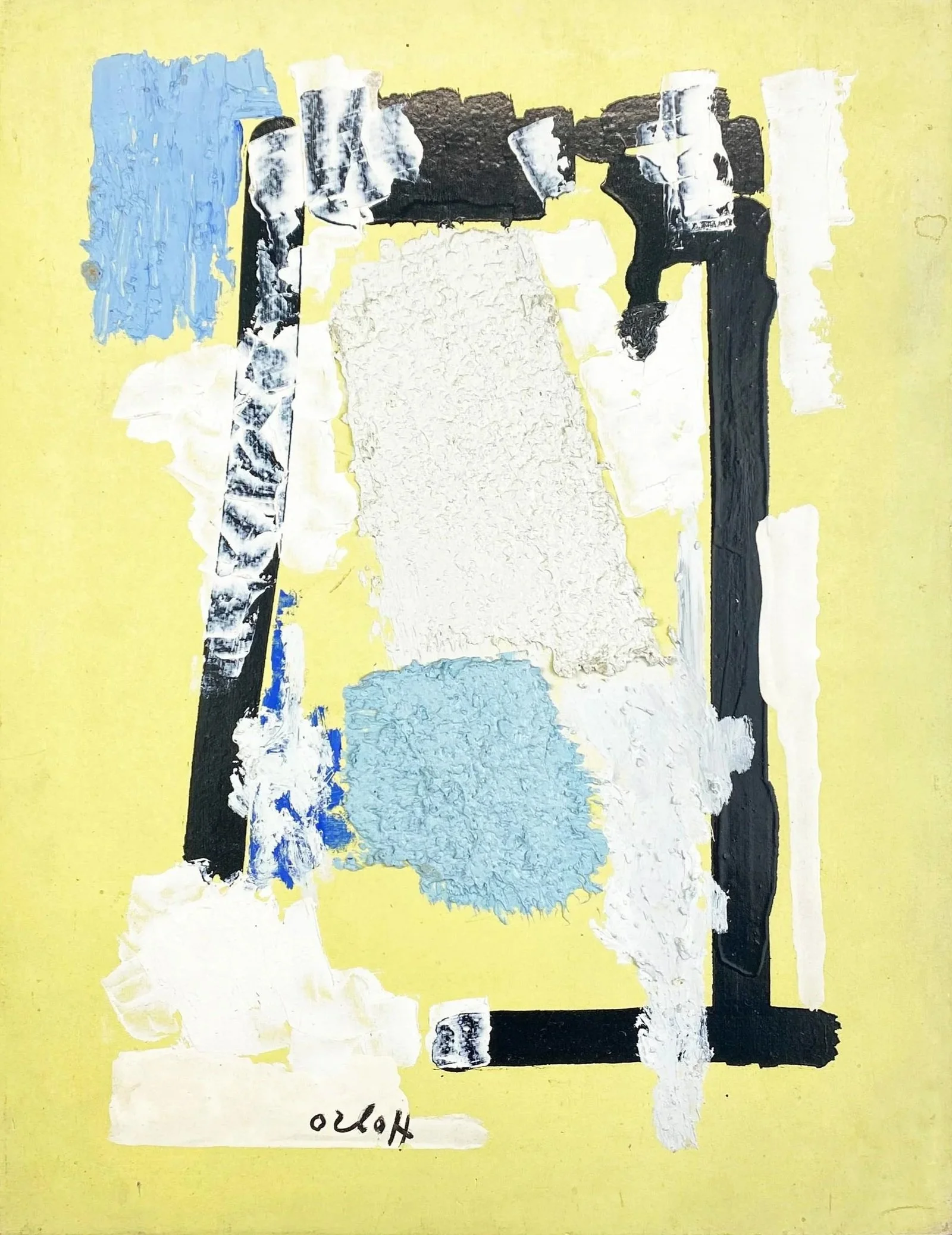
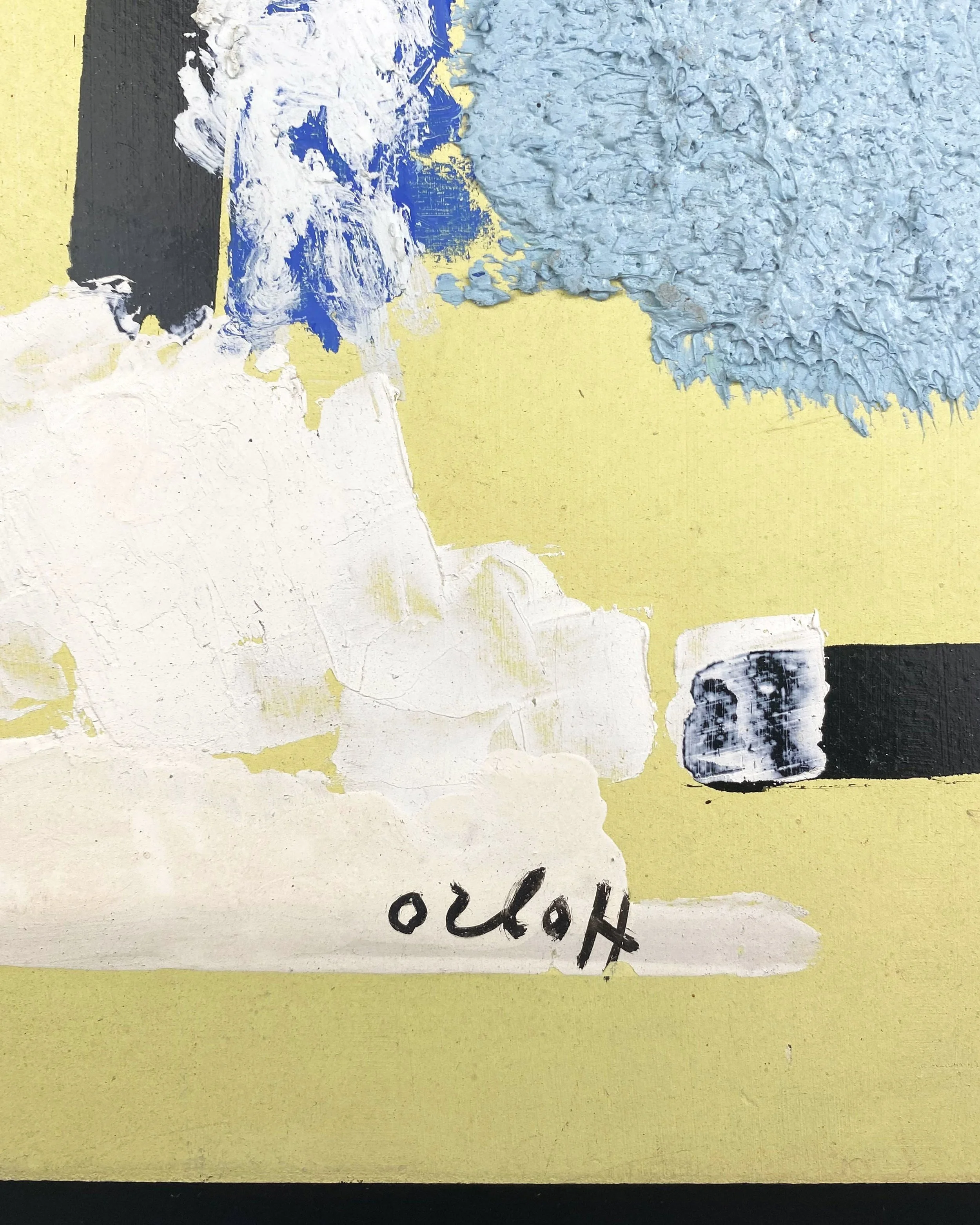
Oil on wood panel
21x21 cm
Signed lower center/right
Max Papart (French, 1911-1994)
Biography
Max Papart was a French artist from Marseille. He is known for his unique style, a synthesis of Pop Art and Cubism which eludes straightforward categorisation. Papart was a painter as well as a printmaker and teacher. He attended the School of Fine Arts in Marseille before moving to Paris in 1936. Papart’s first solo exhibition was held at Galerie André Maurice in Marseille in 1946.
Papart had a successful career in Paris in the 1950s, ‘60s and ‘70s. He participated in group exhibitions of the École de Paris at Galerie Charpentier and held solo exhibitions. When his style was still in its formative year in the late 1940s and early 1950s he won many awards, among them: Prix de l’Union Méditerranéenne pour l’Art Moderne, 1948; Lauréat Prix Hallmark, 1949; Prix de la Critique, 1950; Prix de la Jeune Peintre, Paris, 1950; Lauréat de la Biennale de Peinture, Menton, 1951. Papart learned the classic technique of engraving when he arrived in Paris, but from the 1960s onwards he combined the classic process with the technique of etching with carborundum invented by his friend Henri Goetz. In the years 1969 to 1973, Papart taught printmaking at the University of Paris VIII-Vincennes. Throughout the 1960s and 1970s, he worked on solidifying his international reputation. In 1978, Papart accepted a professional partnership offer and an invitation to move to New Orleans by Keneth Nahan.
Papart was an important artist of the post-war Parisian avant-garde and has on many occasions been called ‘the direct heir of Cubism’ (Green, 1984: p. 15). Today his works are held in many public and private collections in Europe and America.

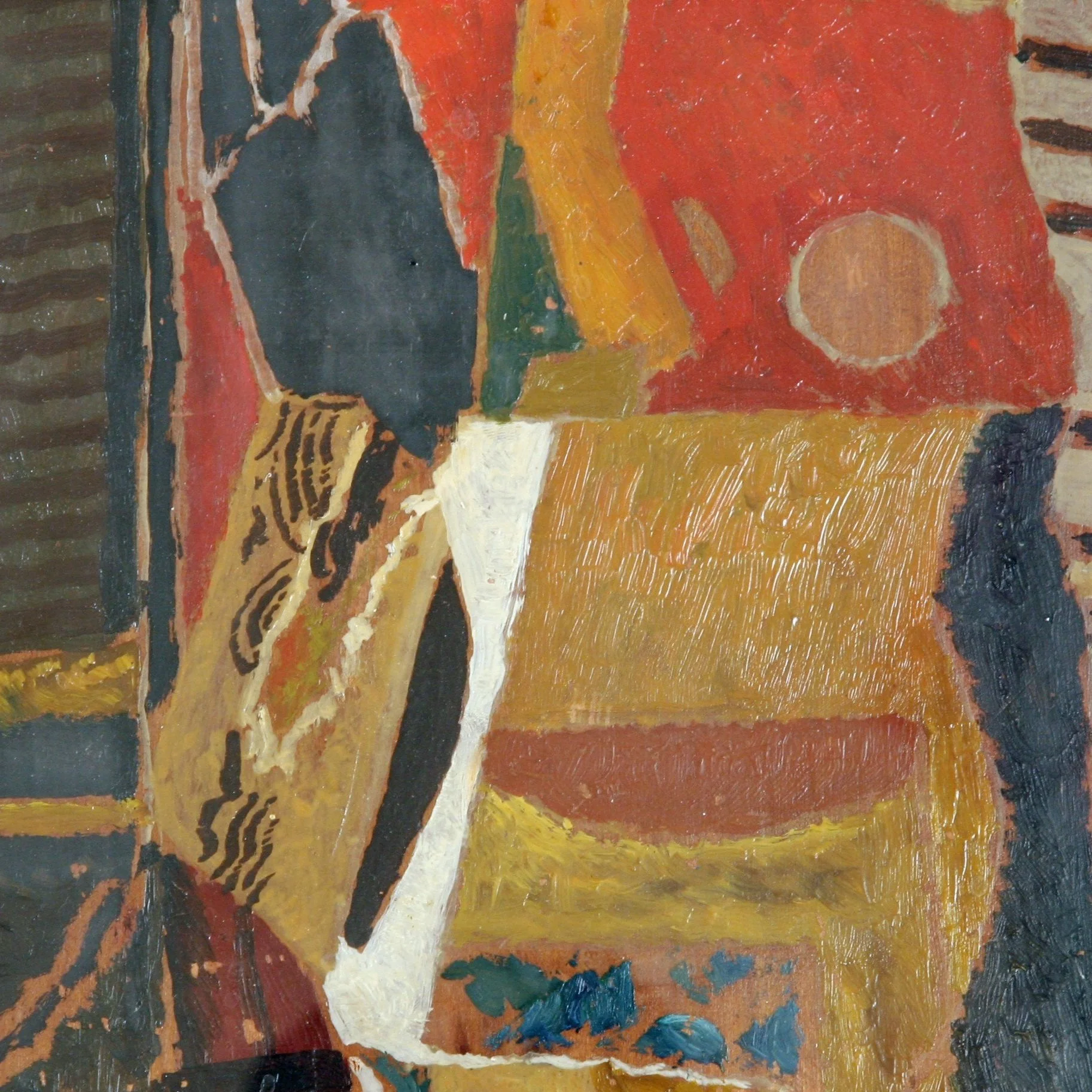 Image 1 of 2
 Image 2 of 2